Why this website exists
My website is not just a project. It is a memory archive. It is a response to impunity. It is a way to keep names, events, and patterns of violence from being erased.
In Venezuela, many atrocities happened in front of cameras and witnesses, but propaganda machinery still worked every day to dilute the facts. That is exactly why digital work matters: if we build durable records, the truth survives beyond any one news cycle.
Images that carry memory
These public images document protest moments and the courage of ordinary people. They are reminders that memory is not abstract; it has faces, streets, and dates.
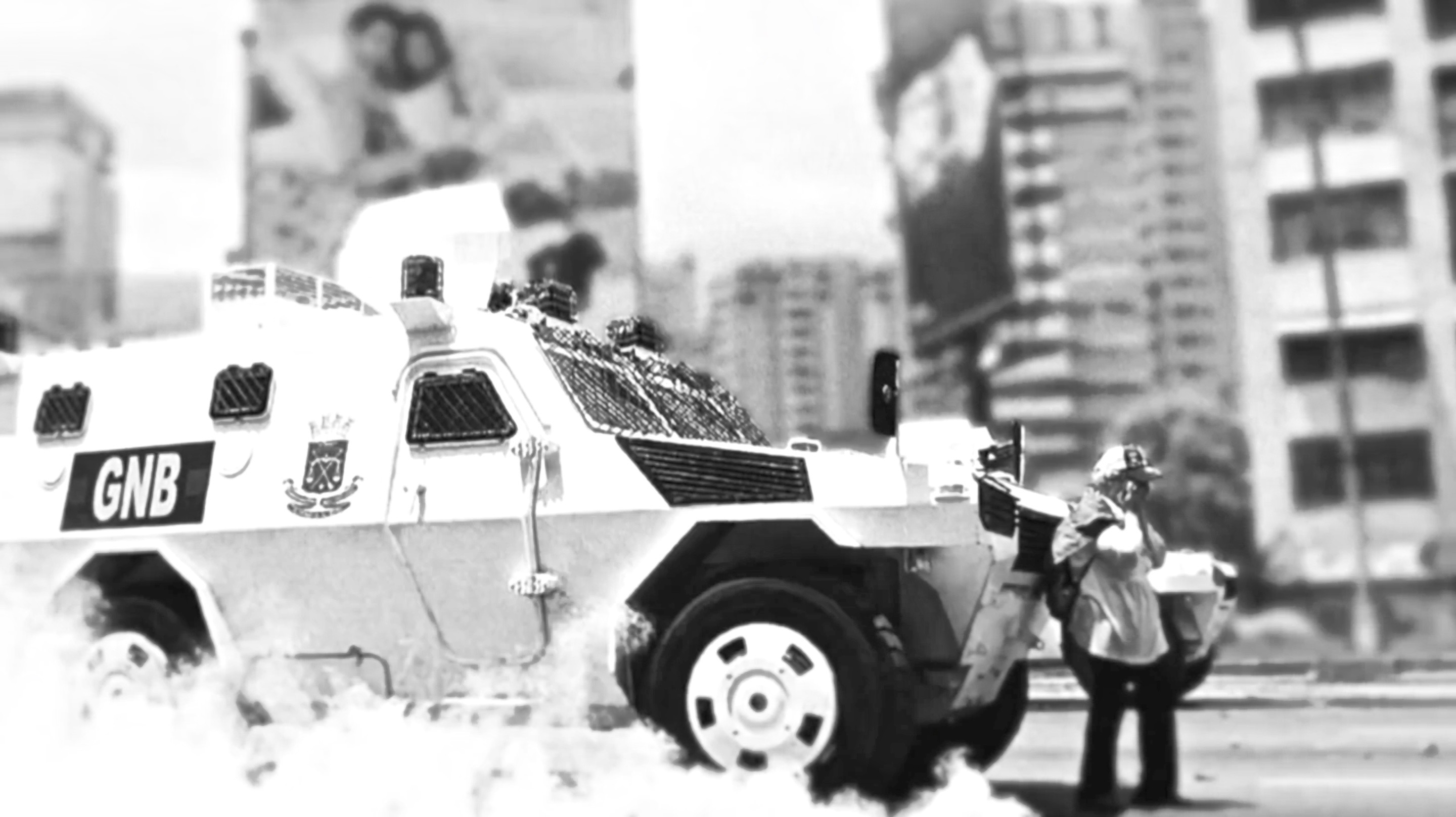
"Tank Woman" (Caracas, 2017), via Wikimedia Commons. Source.
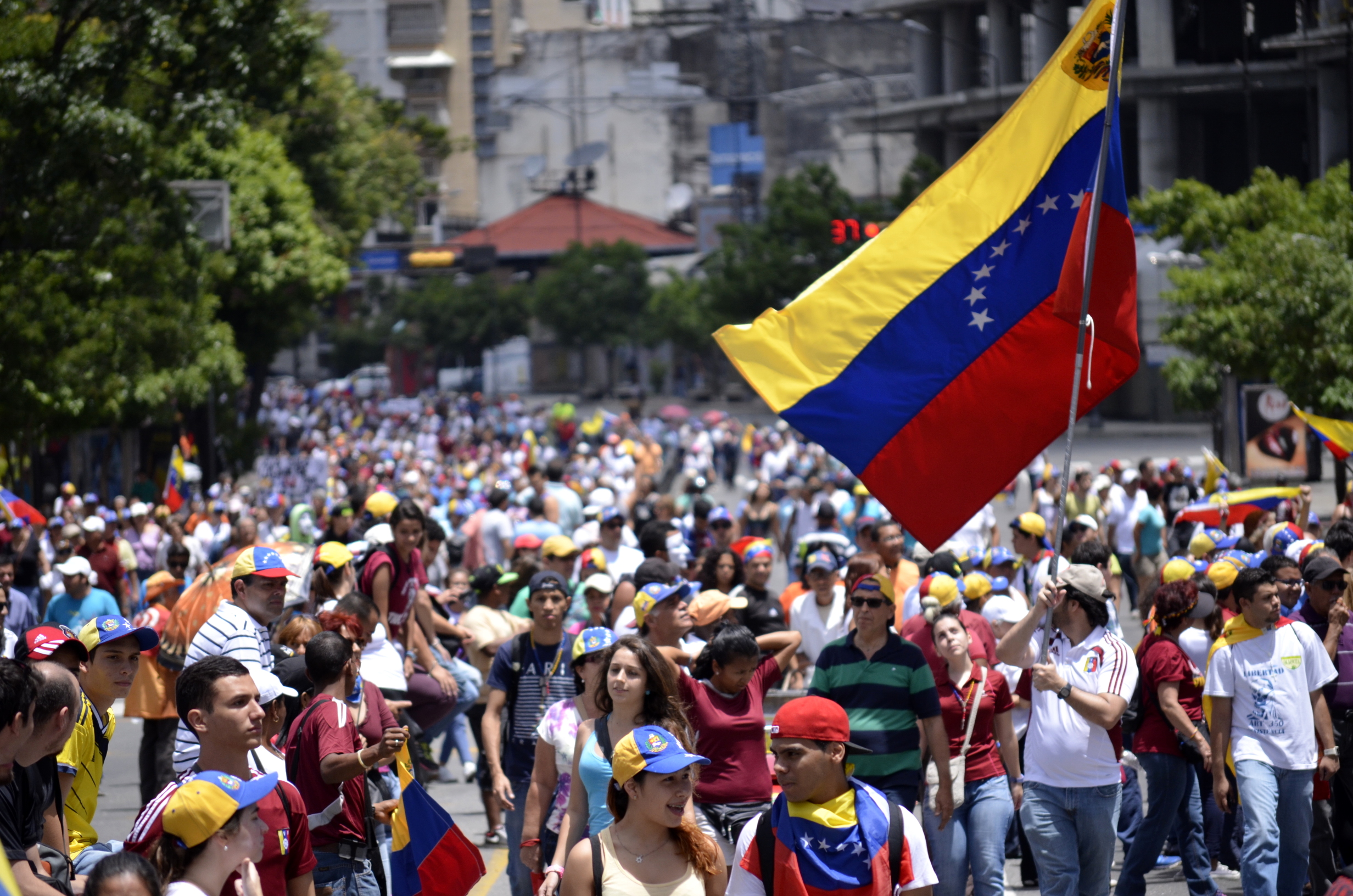
"24 June 2014 Venezuelan protest", via Wikimedia Commons. Source.
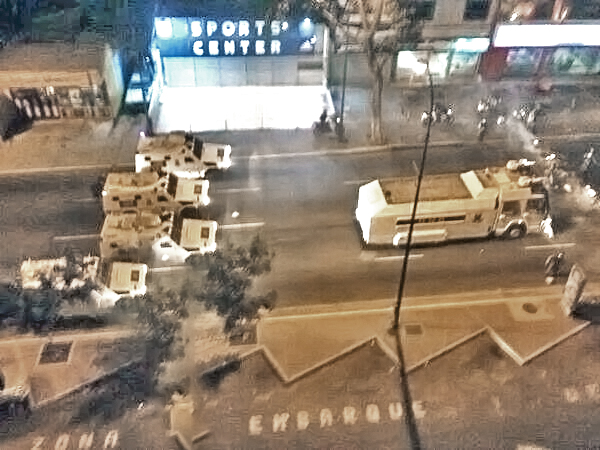
"Protestas Caracas Venezuela 4", via Wikimedia Commons. Source.
When code becomes protest
I have always believed that software is political when it tells uncomfortable truths. A website can expose structures of abuse. A game can reach people who would never read a report. A timeline can outlast fear.
That is how I approach this work: not as content marketing, but as documentation, testimony, and resistance.
Flappy Maduro and the cost of satire
I created a political game called Flappy Maduro. It made fun of the president while also showing facts about what was happening during the protests. Humor was the entry point, but information was the purpose.
That game reached people fast. It sparked conversations. It also put me in danger.
I had to leave because of persecution
The backlash was not abstract. I was persecuted for what I built and what I said publicly. At a certain point, leaving my country became a survival decision.
Exile changes everything, but it did not silence me. If anything, it made my mission sharper: keep building tools that preserve memory and make denial harder.
Visit the project
If you want to understand this work, start here: elcarteldelossoles.com. Technology can be entertainment, but it can also be memory infrastructure for people who cannot risk being forgotten.